



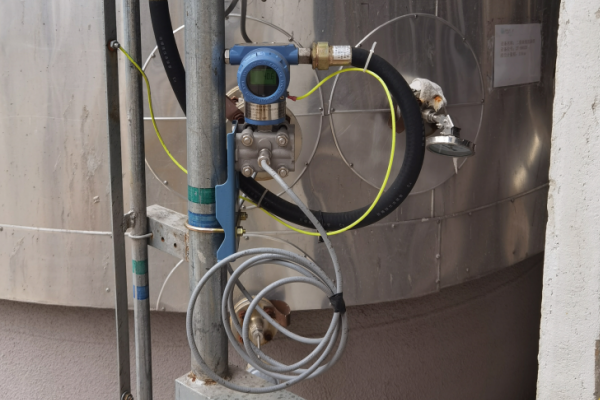
A diaphragm seal separates the process medium from the pressure measuring instrument, thereby protecting both from each other. These barriers are essential when the medium is aggressive and would damage the pressure transmitter, as well as to prevent the contamination of hygienic media. In most applications, the pressure measuring instrument is attached directly to the diaphragm seal via a threaded, flanged or hygienic clamp connection. But in certain applications, capillary tubes are used to connect the two components, enabling remote remote monitoring.
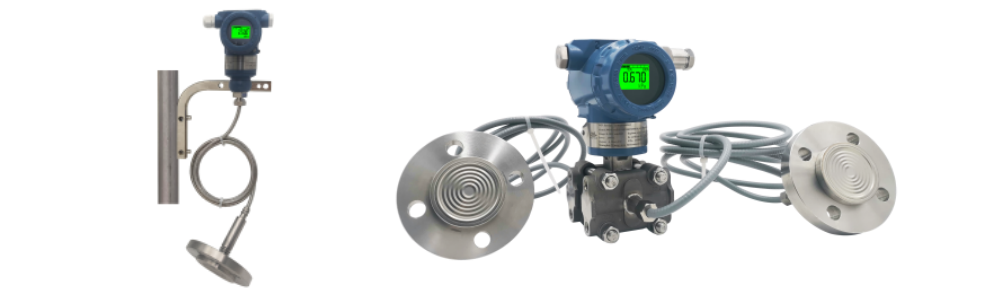
The structural features of remote transmitters are specifically designed to address the shortcomings of traditional transmitter with direct process connection.
Flange diaphragm seal system: Typically comprises one (gauge pressure) or two (differential pressure) process connection flanges. Flanges are available in a variety of specifications (e.g. DN50 PN40, 2″ 150# RF) to facilitate mating with vessel flanges. The assembly is covered by an isolation diaphragm that comes into direct contact with the measured medium. Diaphragm material can be selected depending on medium characteristics, such as stainless steel, Hastelloy or Tantalum.
Capillary tubes: The most distinctive feature of the device. The flexible capillary tubes connect the flanged diaphragms to transmitter chamber. The capillary and diaphragm chamber are filled with incompressible, thermally stable filling fluid, which transmits the pressure at flange to transmitter body. Such design can prevent corrosive, viscous, crystallizing or high-temperature media from entering the transmitter directly.
Transmitter body: The transmitter comprises pressure sensor, signal amplification and processing circuits and communication module. As it does not typically come into direct contact with the process medium and operates in a relatively mild environment, the reliability is enhanced.
Advantages of Capillary Connection Comparing to Direct Process Connection
Greater accessibility: When the measurement point is too tight to fit a pressure transmitter, or if the location is too far or inaccessible for the interface to be read easily, a fluid-filled capillary line allows the instrument to be installed in locations that facilitate observation, maintenance or safety (such as away from sources of vibration, hazardous areas or at height).
Simplified installation: Remote capillary transmitters eliminate the need for the complex impulse tubing and ancillary equipment—such as condensation or isolation tanks which can be essential in traditional pressure measurement, significantly reducing installation complexity and maintenance points.
Protection from extreme temperature: High process temperatures can cause instrument failure. Capillary tube acts as an effective cooling element. As heat travels through the line, it dissipates from the process medium before the pressure reaches the instrument. The longer the tube, the more heat is radiated.
Considerations When Adopting Capillary Connection
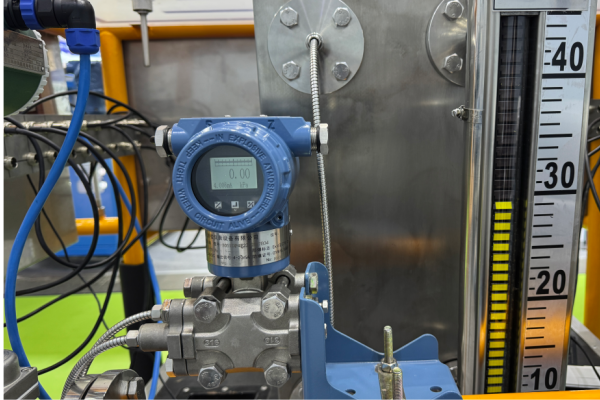
A capillary connection measurement system requires a mounting kit or mounting bracket for the gauge or transmitter, as the instrument would not be a freestanding unit.
The longer the capillary, the farther the pressure has to travel to reach the instrument, thus increasing the response time.
When using a capillary, it’s common for the diaphragm seal and the pressure instruments to be at two different levels. The difference in elevation can create false positive or false negative pressure readings. However, since the level difference is known, it can be compensated for during the calibration of the diaphragm seal assembly.
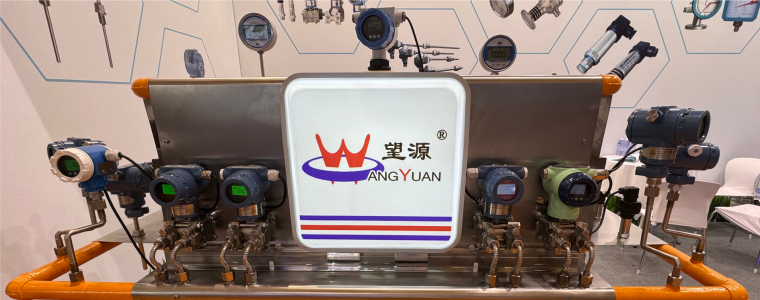
Capillary tubing fundamentally expands the application range and reliability of pressure measurement systems. By physically decoupling the transmitter from the process connection, it protects sensitive electronics from aggressive, high-temperature, or hygienically critical media while enabling installation in accessible, safe locations and eliminating complex impulse piping. Shanghai Wangyuan is a professional manufacturer and supplier of instruments of measurement for over 20 years. We offers a comprehensive range of pressure measuring devices including capillary tubing transmitters. If you have any enquiry please feel free to contact us for solution.
Post time: Apr-30-2026