
Diaphragm seal is a protective pressure-measurement assembly that isolates the pressure instrument from process fluid. As the flush wetted-part, a thin flexible diaphragm detects pressure variation through its displacement. Process pressure presses against the exposed side of the diaphragm, causing it to flex inward. The tiny displacement compresses the layer of fill fluid trapped in the sealed chamber immediately behind the diaphragm who presses against the instrument’s own sensing element so that it can detect the same process pressure without coming into physical contact with the process fluid.
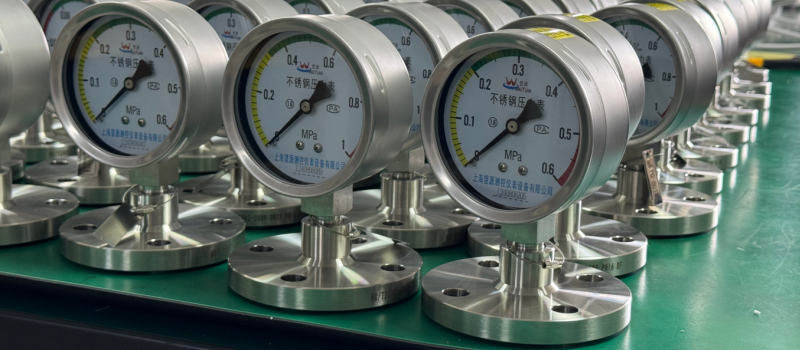
The use of diaphragm seals dramatically extend the applicability of pressure measuring instruments, making it possible to deploy them reliably in some of the most demanding process conditions, where conventional connections would be impractical or unsafe:
Hygienic manufacturing
In hygienic manufacturing—typical of food, beverage and pharmaceutical industries—strict requirements demand that wetted parts be free of crevices, blind zones and undercuts where medium can accumulate and microorganisms can thrive. Diaphragm seals can be designed with fully flush and crevice-free surfaces that comply with sanitary requirements and permit clean-in-place procedures.
Inaccessible or poorly located measurement point
The measurement position may be located in a cramped, elevated, or hardly accessible area where a directly mounted transmitter cannot be mounted or read without difficulty. By connect the body to a diaphragm seal via long capillary, the instrument can be repositioned to an easily reachable and serviceable location, improving both ergonomics and operational safety.
High-temperature process
In the process where medium temperature is very high, heat can quickly travel into the measuring device, exceeding the thermal limits of electronic components. A diaphragm seal optionally combined with cooling element or extended capillary dissipates heat before it reaches the instrument, holding it within its safe operating range and preserving accuracy.
Corrosive medium
When the medium is corrosive, the sensitive interior of element often cannot be adequately protected itself. A diaphragm seal separates the aggressive fluid from the instrument, using highly resistant wetted materials to prevent corrosion and ensure long-term stability.
Viscous medium
For fluids with a certain degree of viscosity or adhesive, the narrow pressure port and internal structure of sensor easily become clogged or create nooks and crannies that trap material, leading to measurement errors or complete blockage. A diaphragm seal with a large, flush diaphragm and a generously dimensioned process connection eliminates these constrictions, allowing smooth pressure transmission without stagnant zones.
In summary, diaphragm seals serve as a critical interface that enables pressure measurement instruments to perform reliably across an extremely wide range of severe process conditions. By selecting the appropriate seal design, fill fluid and wetted materials, plant operators and engineers can safeguard measurement accuracy, protect personnel and the environment, extend instrument service life and ensure compliance with industry-specific regulations. Shanghai Wangyuan is a high-tech manufacturer with over 20 years of experience dedicated to the production and service of pressure measurement instrumentation. Please feel free to let us know if you have any requirements or questions about diaphragm seal pressure transmitters or gauges.
Post time: Aug-07-2026