
In industrial automation systems, fluctuations in process parameters are common. The ability to accurately judge the severity of these fluctuations and respond in time directly determines production safety and equipment life. The introduction of L, H, LL and HH alarms classifies abnormal conditions so that operators can see at a glance whether they need to closely monitor, take proactive adjustments or immediately execute emergency actions.
L and H alarms are primarily used to indicate that a parameter has deviated from its normal operating range—for example, low liquid level, high pressure or temperature outside the set range. Upon observing these alarms, operators can adjust valves, pumps, loads or correct other process parameters to bring the process stably back to the normal range.
LL and HH alarms are intended for more severe conditions. A parameter reaches the LL or HH threshold means the situation has approached or entered a hazardous boundary and immediate action must be taken. In such cases, the system typically triggers protective logic, such as automatically stopping pumps, closing valves, switching to standby equipment or initiating an interlock shutdown to prevent an incident from escalating.
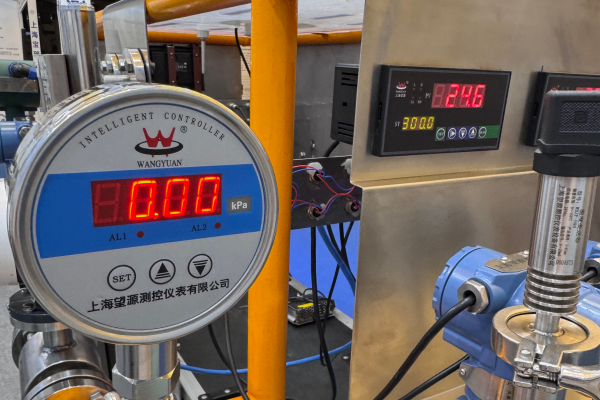
On-site alarms should not only tell the operator that “there is a problem”; more importantly, they must communicate “how far the problem has progressed.” Take liquid level as an example: both being low-level alarms, an L alarm indicates a moderately low level requiring timely replenishment or reduced discharge, whereas an LL alarm means the level has dropped so low that it can cause pump suction loss, mechanical seal damage or equipment running dry. These two alarms reflect completely different degrees of severity and the operator’s response measures will be fundamentally different.
L/H alarms generally correspond to an operating adjustment phase where there is still ample room for correction. Measures such as adjusting valve opening, changing pump speed, increasing or decreasing feed or discharge, notifying field inspection and observing parameter trends can be taken in response. In contrast, LL/HH alarms correspond to a forced action phase—an urgent and dangerous situation requiring decisive actions like stopping pumps, closing valves, cutting off feed, starting back-up systems, triggering interlock shutdowns or initiating emergency procedures. During field design, the response to each alarm must be clearly defined: who handles it, how to handle it, within what time frame it must be completed and whether the system will initiate automatic protective actions.
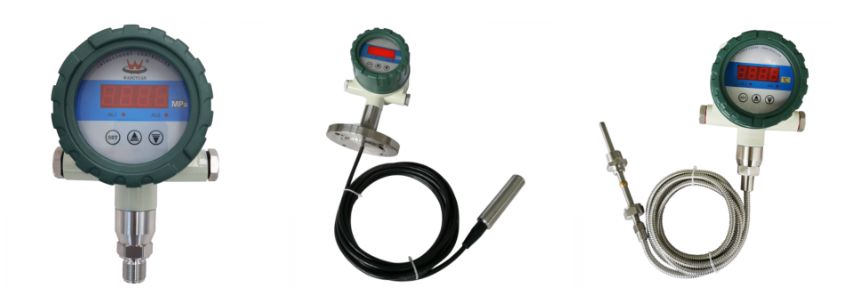
Taking tank level control as an example, the logic for the four-channel alarm is clear:
L level alarm: The level is below the normal operating range, prompting the operator to add material or reduce the discharge rate.
LL level alarm: The level is critically low, with insufficient liquid at the pump inlet. The system will execute a pump stop or inhibit pump start to prevent the pump from running dry and mechanical seal damage.
H level alarm: The level is above the normal operating range, prompting the operator to stop feeding or increase the discharge rate.
HH level alarm: The level has entered the overflow risk zone. The system closes the feed valve and triggers an interlock alarm to prevent tank overflow and contamination incidents if necessary.
Sufficient operating time must be allowed between the alarm setpoints. If the interval between L/H and LL/HH is set too narrow, the operator may not have time to react before the parameter rushes to LL/HH, causing the situation to spiral out of control instantly. Conversely, if the interval is too wide, alarms will come too early and frequently—the field alarms sounds constantly and operators become desensitized over time. If the LL/HH settings are too loose, forced protective actions will be delayed and equipment may already suffer damage or an accident may occur, rendering the protective measures useless. Therefore, alarm setpoints must be determined by comprehensively considering process response time, instrument delay, valve actuation time, operator response time and the allowable equipment operating range.
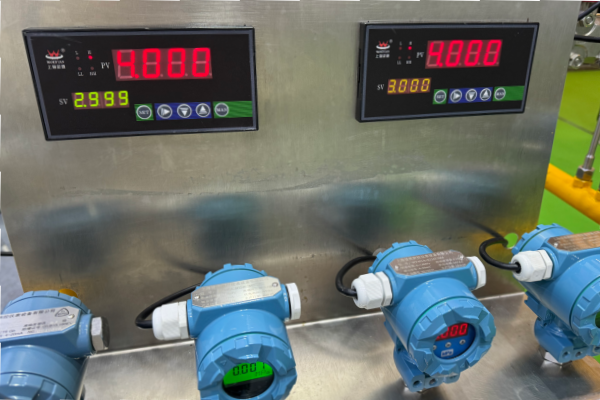
Setting four-channel alarm points essentially serves to classify abnormalities, thereby clearly separating operator intervention from forced protection. L and H alarms serve as early warnings, giving operators a comfortable time window for adjustment; LL and HH alarms define dangerous boundaries that must not be crossed, compelling personnel and systems to take immediate and decisive action. When designing alarms, the key is not the quantity of points, but whether each alarm has a clear meaning, sufficient response time, a timely and executable action and an assigned responsible person. Shanghai Wangyuan is a manufacturer with over 20 years of experience in the instrumentation field, specializing in various instruments including transmitters and controllers with alarm outputs. If you have any needs or questions, please feel free to contact us for reliable measurement solutions.
Post time: Jul-21-2026