
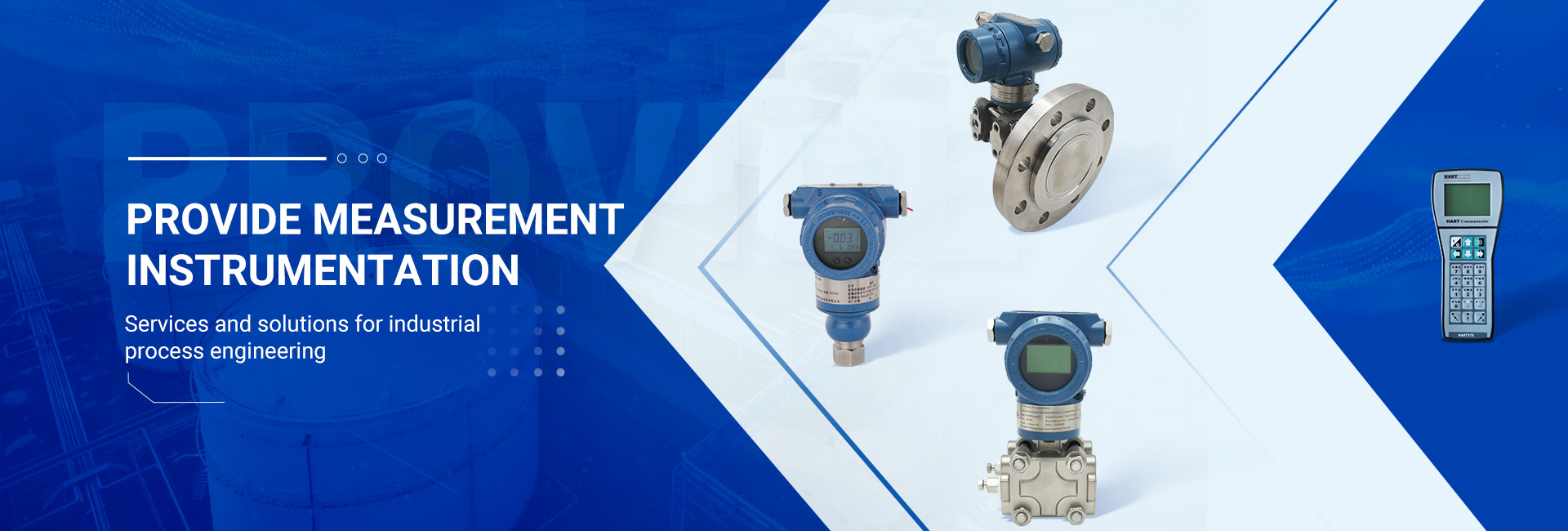
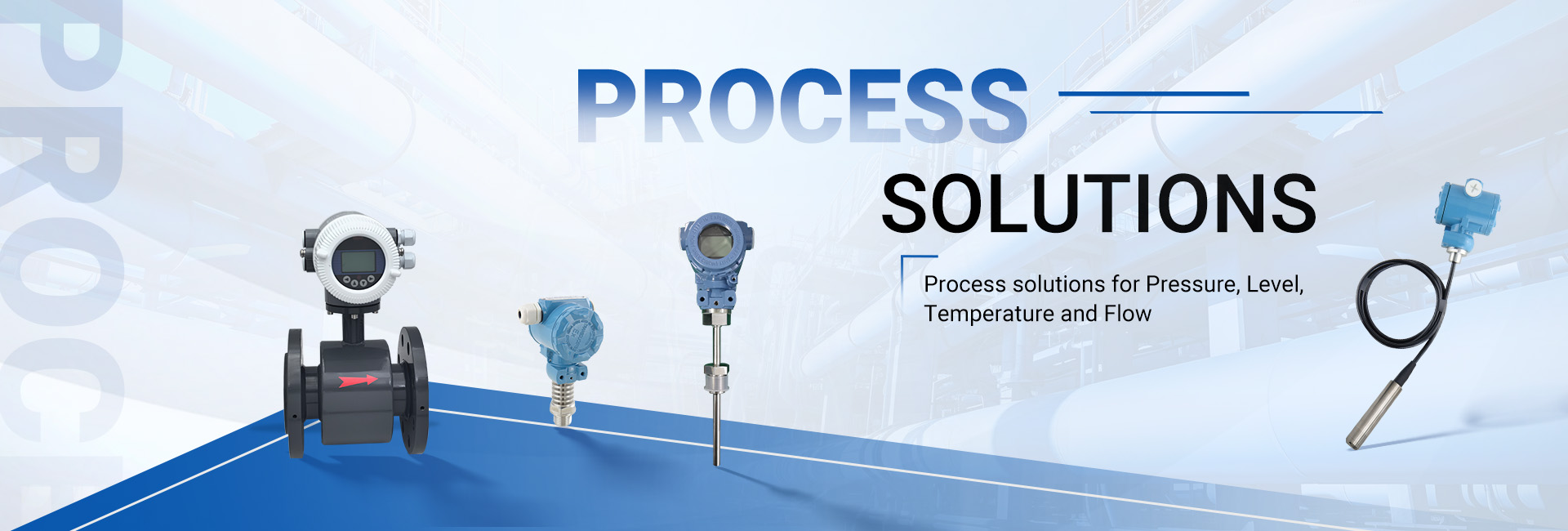
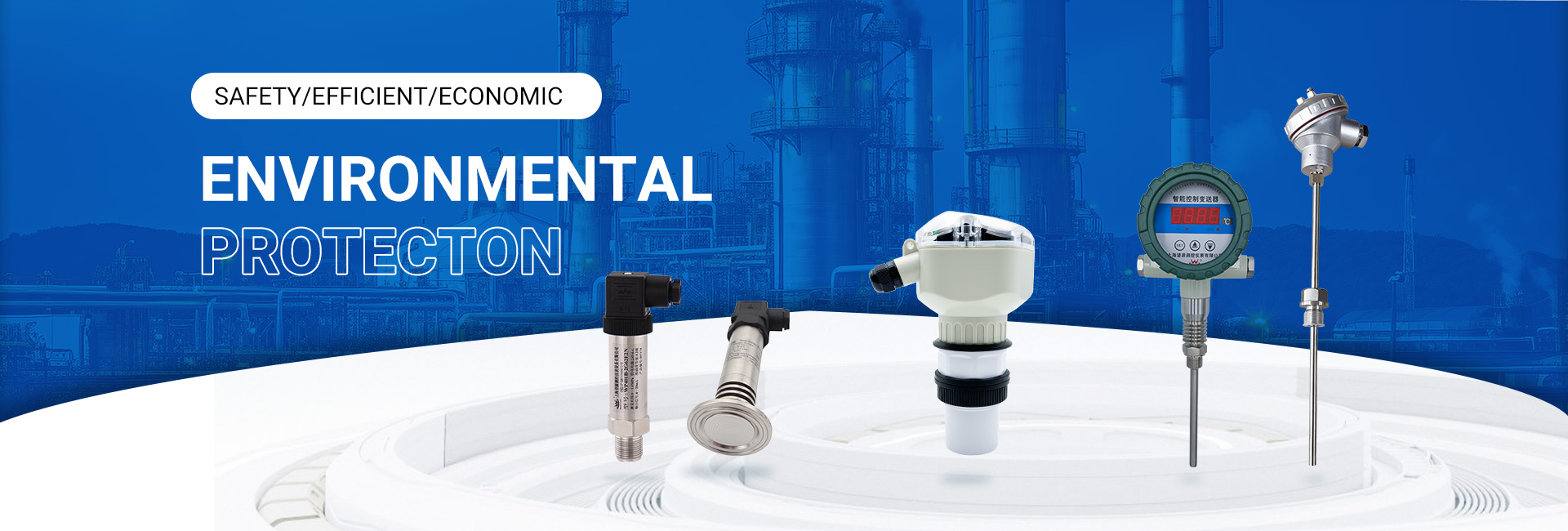
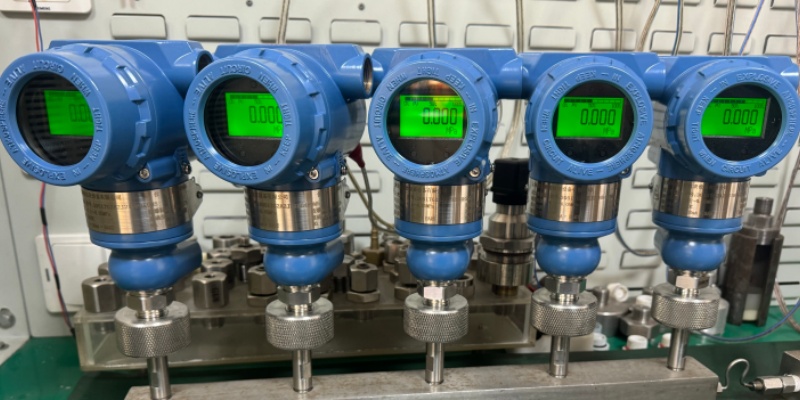
As the core sensing devices in industrial automation control systems, pressure transmitters frequently encounter harsh measurement environments in modern process industries such as petroleum, chemical, power, food, and pharmaceuticals. Its sensor diaphragm is not only the sensing element for pressure transmission but also the first line of defense, isolating the process medium from the internal fill fluid and preventing sensor damage. The material science and structural design of the diaphragm are key to addressing complex operating conditions. Incorrect selection can lead to issues ranging from measurement drift to diaphragm perforation, equipment scrapping, and even safety accidents. Correctly selecting a pressure transmitter is a critical step in ensuring the stable, reliable and economical operation of the entire measurement system.
Chemical Characteristics Drive Diaphragm Selection
The chemical compatibility of the diaphragm material is the primary prerequisite for model selection. Different media have varying corrosion mechanisms on metal materials, requiring analysis based on their chemical composition and corrosive properties. For highly corrosive media such as strong acids and alkalis, common 316L stainless steel may not meet long-term stability requirements. For example, in environments containing sulfuric acid or phosphoric acid at room temperature, Hastelloy C-276 becomes an ideal choice due to its excellent resistance to corrosion from reducing medium.Tantalum diaphragm exhibits almost complete chemical inertness when exposed to highly concentrated strongly oxidizing medium such as nitric acid, but the high cost typically limits its application to special occasions like fine chemicals or high-purity chemical production. In marine engineering or environments containing chlorides, chloride ions can easily cause pitting corrosion in ordinary stainless steel. Here, Monel is widely adopted due to its excellent passivation capability in seawater and brine solution.
Medium Physical State Dictates Diaphragm Structure
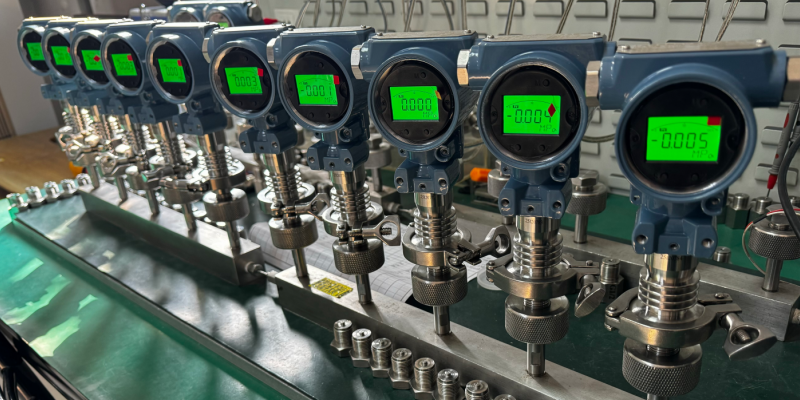
The physical form of the medium (e.g., viscosity, solid content) directly influences the structural selection of diaphragm. For medium highly viscous or prone to crystallization, conventional structures with small pressure inlet are highly susceptible to clogging, leading to pressure transmission failure. Flat diaphragm design can be employed in such cases who eliminates pressure port and allows the diaphragm to contact the medium directly. The flush mount structure can not only effectively prevent clogging but also meet hygienic design requirement in the food and pharmaceutical industries due to its lack of stagnant areas. When the medium contains solid particles, the diaphragm faces a significant risk of wear. Ceramic diaphragms can effectively resist particle erosion due to their extremely high hardness and wear resistance. Some extreme applications may also utilize hard-faced flush diaphragms to significantly extend equipment service life under harsh conditions.
Adaptation Solutions for Extreme Operating Conditions
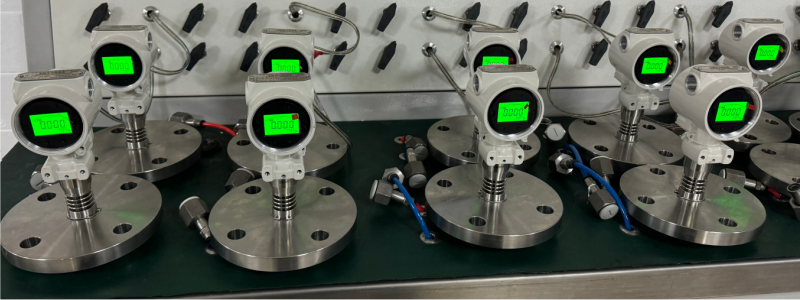
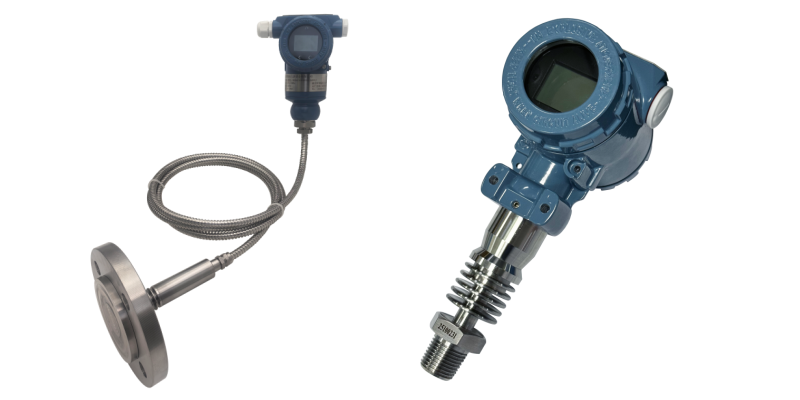
In high process temperature environments, thermodynamic performance of the sensor assembly is crucial. The fill fluid should be high-temperature silicone oil to prevent vaporization of pressure-transmitting medium, combined with remote capillary seals, cooling elements or other heat dissipation measures to protect the electronic components from high-temperature damage. Applications involving significant hydrogen content require gold-plated diaphragms to prevent hydrogen embrittlement. In cases where medium pressure fluctuates severely (e.g., when the pressure tap is close to a pump outlet), installing a pulsation damper should be considered to mitigate signal fluctuation.
Diaphragm Materials Characteristics
Stainless Steel 316L: Common SS316L diaphragms exhibit good mechanical strength and corrosion resistance. They are suitable for most industrial applications measuring non-highly corrosive liquids and gases, offering strong versatility and cost-effectiveness.
Hastelloy C: A nickel-based alloy with excellent resistance to both oxidizing and reducing acids. Typical applications include strong acid environments at ambient temperature as well as oxidizing salts.
Monel: A nickel-copper alloy with good corrosion resistance to non-oxidizing acids (particularly hydrofluoric acid) and excellent resistance in seawater. Monel diaphragms are suitable for marine applications, steam, brine and environments containing small amounts of hydrochloric acid.
Tantalum: Possesses extremely stable chemical properties and outstanding corrosion resistance at a high cost. Suitable for various extreme chemical processes demanding high corrosion resistance, but it is not resistant to hydrofluoric acid and strong alkalis.
Ceramic: Features extremely high hardness, wear resistance, and chemical inertness. Used in ceramic capacitive sensors, typically larger in size.
Shanghai Wangyuan is a professional manufacturer specializing in the field of measurement instrumentation with over two decades of industry experience. We have accumulated extensive practical expertise in dealing with various corrosive media, extreme operating conditions and complex process environments. If you have any requirements or questions regarding the selection of pressure transmitter diaphragms, please feel free to contact us. Engage in an in-depth discussion with our technical team about your specific application to collaboratively find the most suitable measurement solution.
Post time: Mar-17-2026