
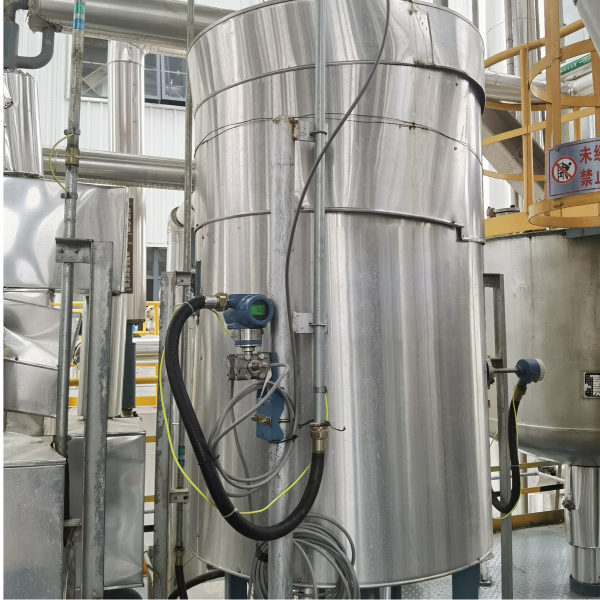
Storage vessels are the key equipment in industrial production for holding raw materials, intermediates and finished products. Widely distributed across various process stages, they perform buffering, storage and blending functions. As basic vessel instrumentation, level measurement devices provide continuous or point-level monitoring of the contents, delivering real-time data for operational decisions.
The value of level measurement lies in three main aspects. ① Safety protection: Continuous level monitoring combined with alarm interlocks can effectively prevent environmental pollution and safety incidents caused by tank overfill, while also avoiding equipment damage from pump dry-running. ② Inventory management: Level data serves as the basis for calculating material inventory in vessels. Accurate level measurement supports operational and management decisions such as production scheduling optimization, logistics dispatching, and material balance. ③ Process control: In continuous production, vessel level is a critical control parameter; a stable level helps balance upstream and downstream flows and ensures smooth process operation.
There are many different principles and types of level measurement equipment and factors must be taken into account when selecting the appropriate product for a storage vessel.
Fluid Properties and Process Conditions
Pressure: The internal pressure or vacuum condition of the vessel is critical for sensor selection, especially in sealed vessels where gas pressure exists in the headspace.
Temperature: Both process and ambient temperatures must fall within the sensor's operating range to ensure measurement accuracy and service life.
Chemical compatibility: The chemical nature of the liquid, including corrosiveness, affects the choice of sensor materials and technology.
Fluid density (specific gravity): For some measurement methods (e.g., hydrostatic level measurement), the parameter is essential to convert pressure measurement into level reading.
Vessel and Installation
Vessel shape and dimension: The geometry of the vessel influences how level measurement is implemented.
Vessel connections: Check whether the vessel is already equipped with suitable connections or if new connections need to be installed.
Environmental factors: Consider conditions such as foam, vapor, conductivity or the presence of gases that may interfere with level measurement.
Measurement Requirements
Accuracy: Defining the required level of accuracy helps narrow down sensor choices.
Output signal: Determine the required output format, such as 4~20 mA , HART Protocol, Modbus or other signals that can be integrated into the control system.
Continuous or point level measurement: Decide whether continuous level monitoring is needed (e.g., using a submersible pressure transmitter) or point detection via switches is sufficient.
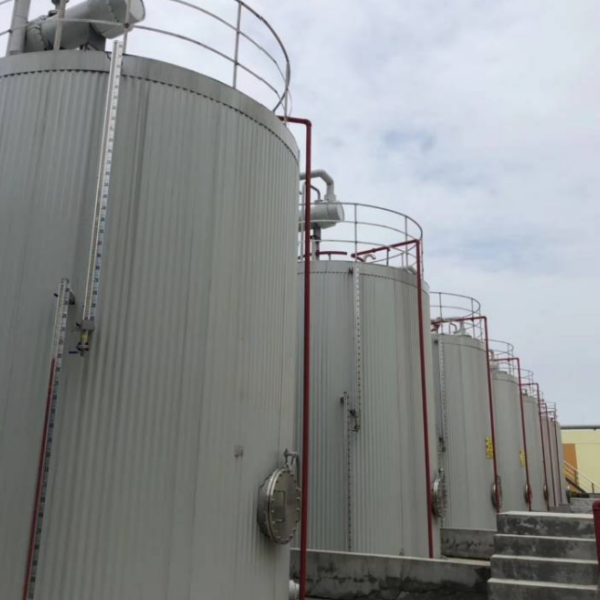
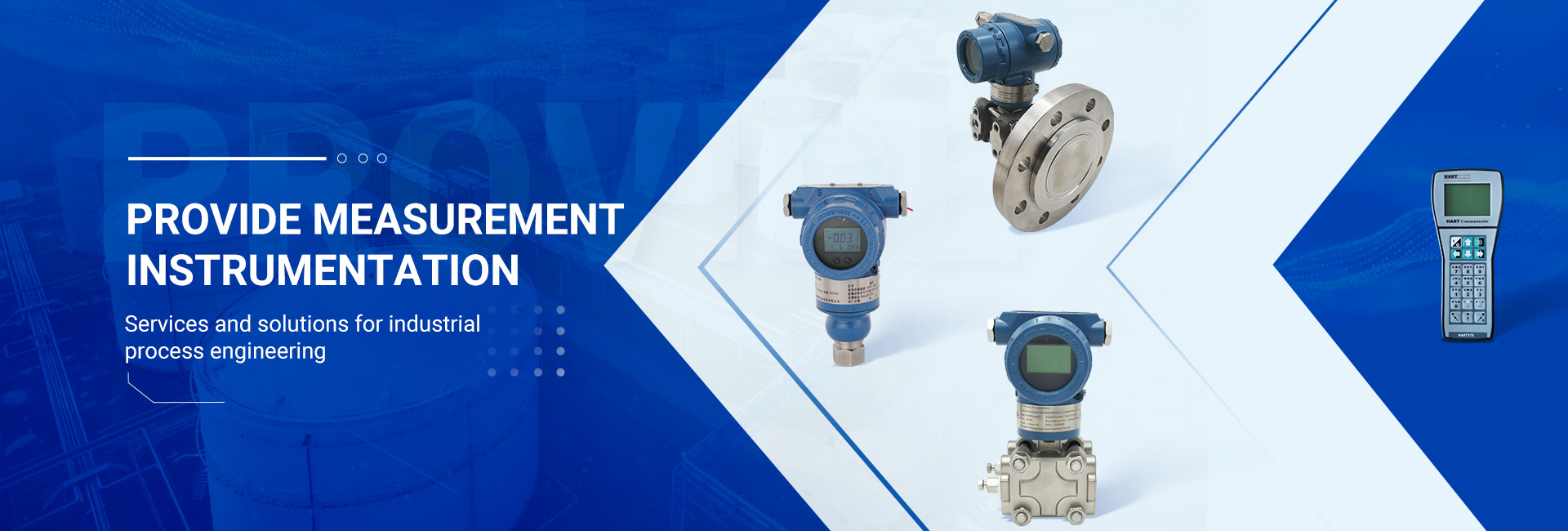
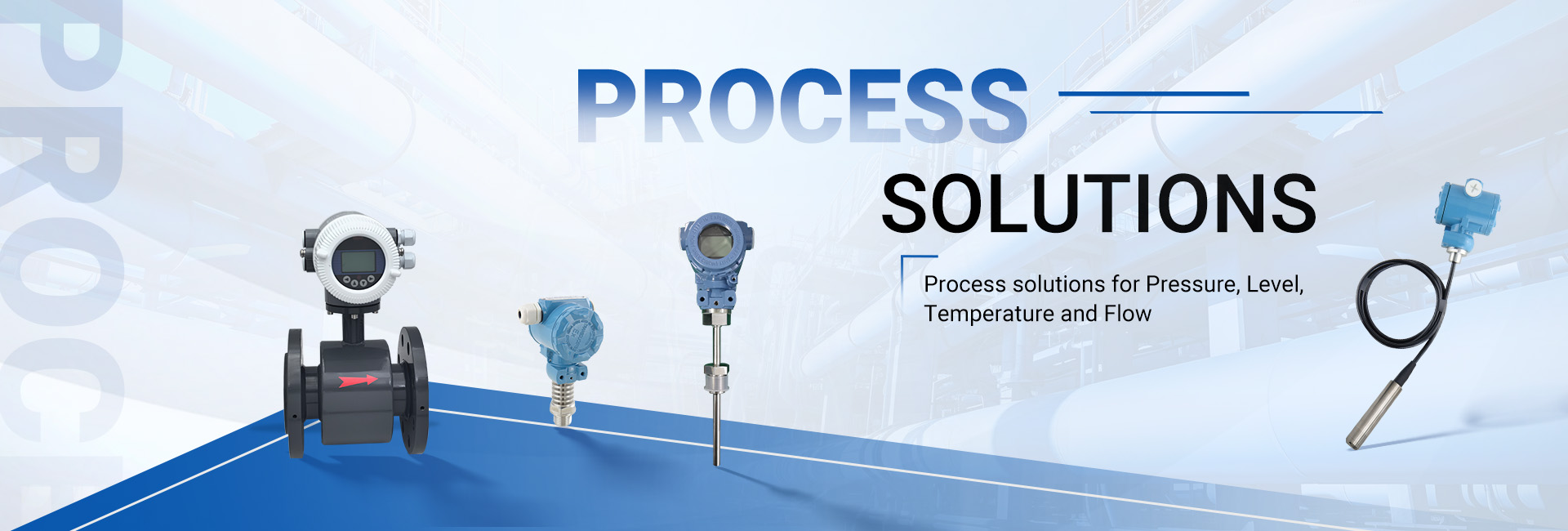
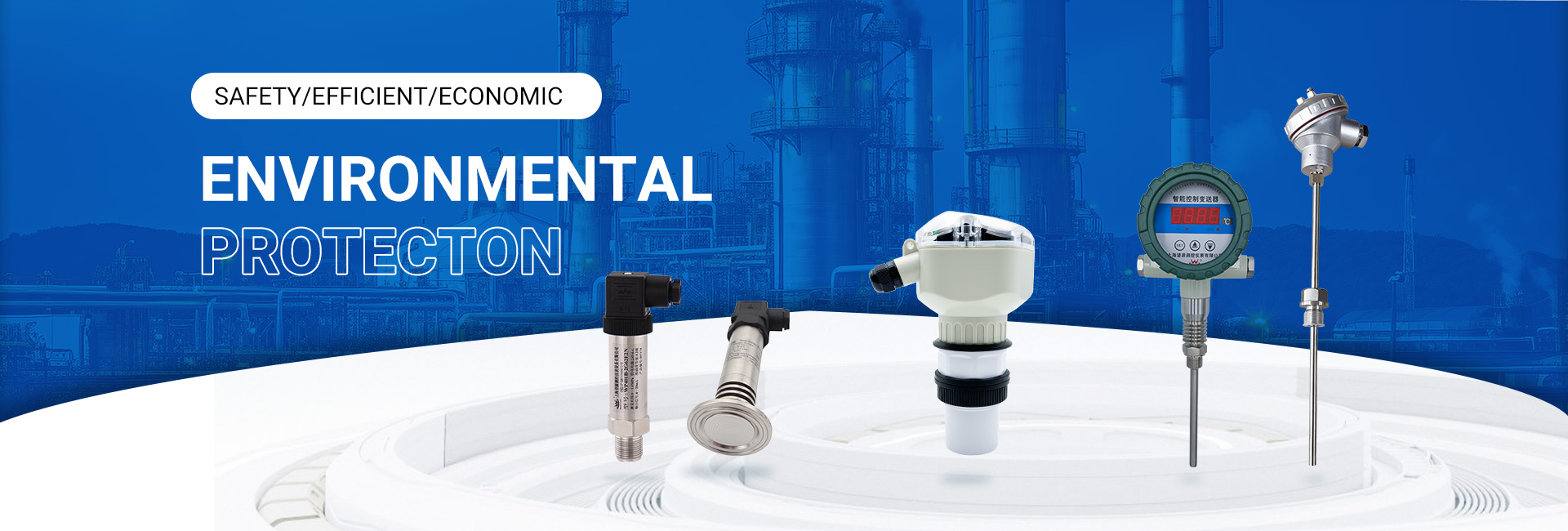
Wangyuan offers a wide range of intelligent measurement solutions for all types of production storage vessels.
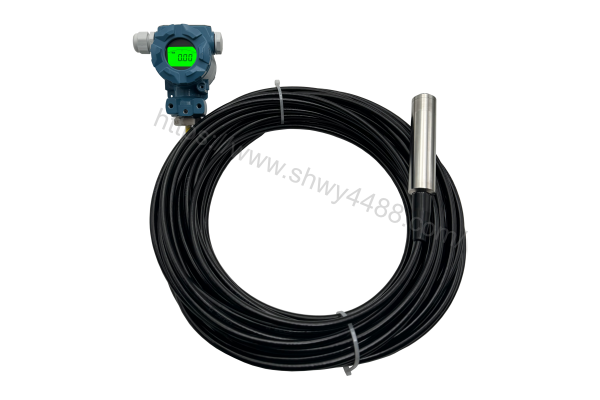
Hydrostatic level transmitters operate on the principle that the hydrostatic pressure of a liquid column is proportional to its height. WP311 series submersible level transmitters are recommended for atmospheric, open-topped vessels. Featuring IP68 rating, its pressure sensing probe is immersed directly at the tank bottom and the liquid level is calculated from the measured pressure. Immersion type level transmitters are easy to install and cost-effective, commonly used in water treatment, water pools, and clean acid or alkali storage vessels. With optional lightning and overvoltage protection, they are ideal for outdoor applications.
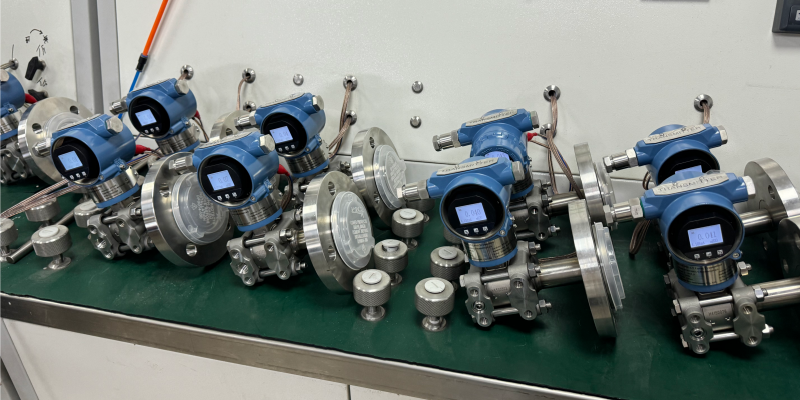
WP3051/3351 series level transmitters are high-accuracy, robust and flexible instruments for continuous level monitoring. These transmitters are designed to measure hydrostatic differential pressure between the vessel bottom and a reference point (atmospheric pressure for open vessels, or gas pressure at the top for closed vessels). The differential pressure is converted into a level reading by calculating with the fluid's specific gravity, yielding precise results. When used with diaphragm seals and capillaries, they can handle extreme media such as high-temperature, corrosive, viscous or toxic fluids.
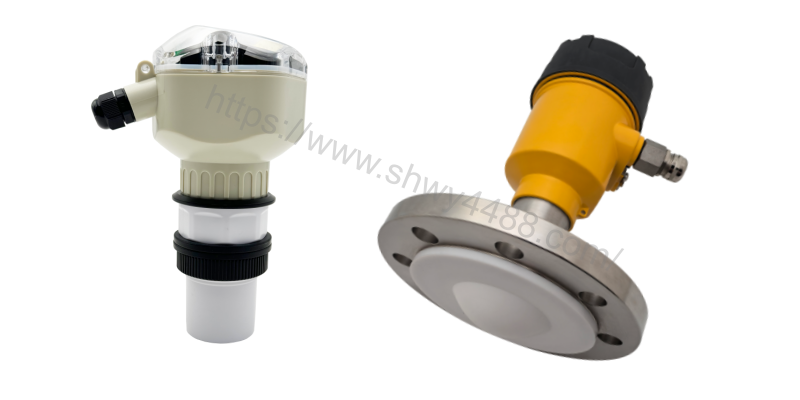
WP380 ultrasonic level transmitter emits ultrasonic pulses and receives the echo from liquid surface. The liquid level is determined by the time taken of sound wave. The technology is relatively low-cost and convenient to install and maintain. However, ultrasonic propagation is susceptible to temperature gradients, vapor, turbulence and foam inside the vessel, making it unsuitable for high-pressure or highly volatile media tanks. It is more suitable for atmospheric water and clean chemical containers. WP260 radar level transmitter emits FMCW via antenna and receives the reflection from surface, calculating the level based on the time difference. A key advantage is that the measurement is practically unaffected by gas-phase conditions, making it widely used on large high-pressure or high-temperature storage vessels. Both instruments are non-contact measurement technologies and can also be used for solid level measurement in addition to fluid level.
Selecting a tank level instrument requires comprehensive evaluation of measurement needs, media characteristics, environmental conditions and other factors. Shanghai Wangyuan provides a full range of reliable and durable level transmitters to ensure your production storage vessels operate safely and efficiently. For more information please feel free to contact us.
Post time: Jun-01-2026