
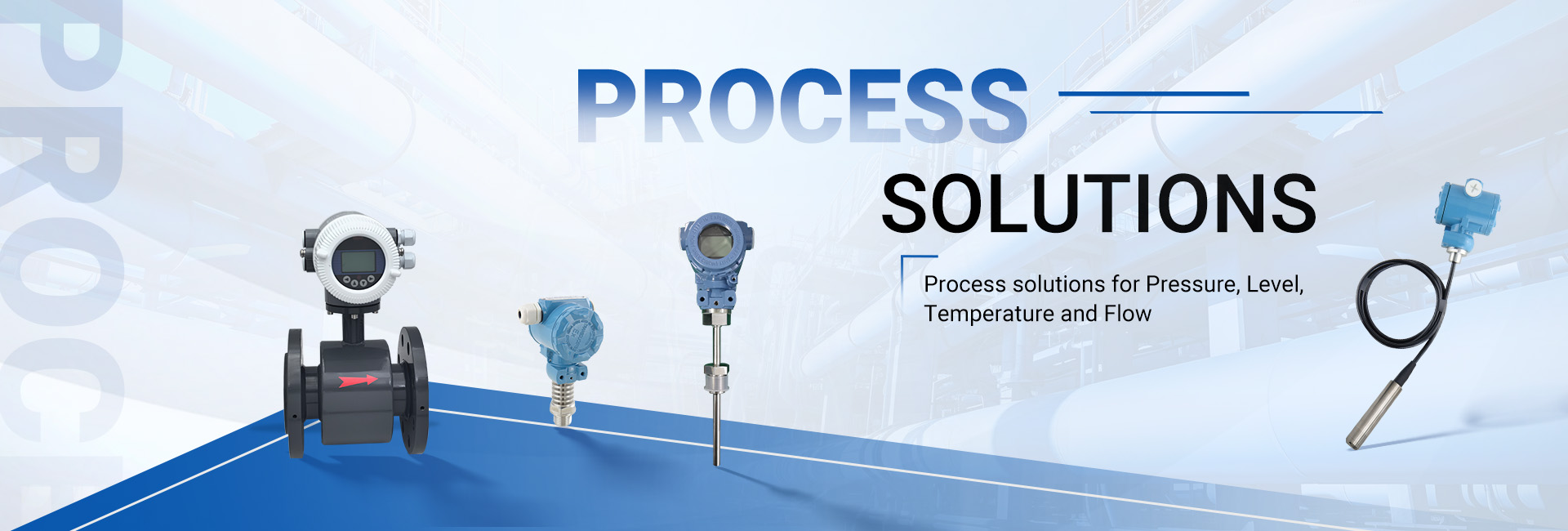
In industrial sectors such as chemical, metallurgy, wastewater treatment, paper and and mining, the objects of flow measurement often present complex characteristics including solid-contenting corrosive or viscous. Common flow measuring instruments like orifice plate or vortex flowmeters generally face issues such as clogging, wear, corrosion failure or loss of accuracy when dealing with such medium. Leveraging its unique measurement principle and structural features, the electromagnetic flowmeter is regarded as the preferred instrument for flow measurement of dirty and corrosive media in the field of industrial process control.
The electromagnetic flowmeter operates based on Faraday's law of electromagnetic induction. The principle dictates that electromagnetic flowmeters rely solely on the electrical conductivity of the fluid and is independent of factors such as fluid density, viscosity, temperature and pressure. Structurally, the measuring tube of an electromagnetic flowmeter consists of housing, liner and electrodes. The liner is in direct contact with the process medium, providing insulation and corrosion protection; the electrodes are embedded in the liner and make contact with the fluid to detect the induced electromotive force; the housing provides mechanical strength and supports the magnetic circuit. This structural configuration lays the foundation for adapting to demanding operating conditions.
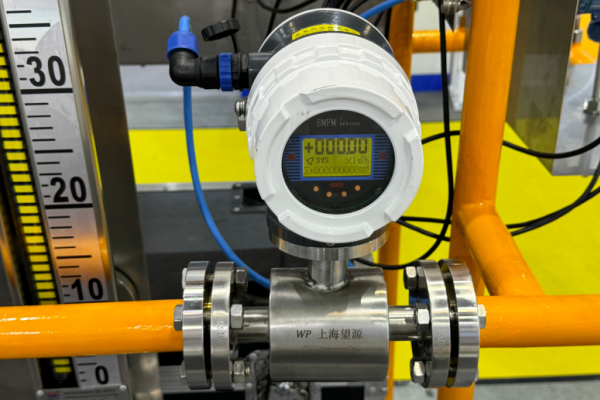
Dirty media typically contain suspended solids, fibers or viscous components. The throttling elements, rotating parts, or small flow passages commonly found in traditional flowmeters are highly susceptible to clogging or wear. The advantages of the electromagnetic flowmeter under such operating conditions are mainly reflected in two aspects:
Obstruction-less Structure: Measuring channel of electromagnetic flowmeter is a straight-through pipe with no protruding or moving parts internally. As the fluid flows through the instrument, there is no abrupt change in the cross-section, preventing solid particles or fibers from accumulating stuck inside the instrument. Compared with various types of differential pressure flowmeters, the electromagnetic flowmeter eliminates the risk of clogged pressure tapping ports; with turbine and positive displacement flowmeters, it avoids failure caused by rotor seizure or wear.
Adaptability to Solid-Liquid Two-Phase Flow: The signal of electromagnetic flowmeter can remain stable when the medium contains solid particles because the induced electromotive force is primarily determined by the flow velocity of the liquid continuous phase. Moreover, the electromagnetic flowmeter employs high-frequency excitation and digital signal processing technology that effectively suppresses spike noise generated by particles impacting the electrodes, maintaining high accuracy in the measurement of solid-liquid flows such as pulp, slurry and mud.
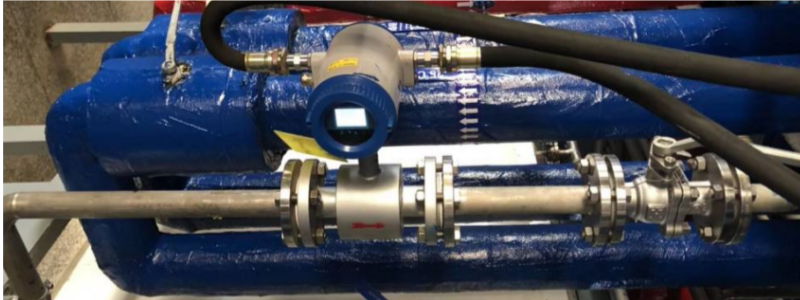
Various corrosive acids, alkalis, salt solutions, and organic solvents impose stringent requirements on the corrosion resistance of flowmeter wetted materials. The electromagnetic flowmeter achieves effective isolation and reliable measurement of corrosive media through the synergy between lining and electrode material.
Lining material serves the function of directly contacting the medium and isolating it from metal housing. Depending on the corrosive characteristics of medium, materials such as PTFE, polyurethane, or chloroprene rubber can be selected. PTFE exhibits excellent chemical inertness, capable of withstanding erosion from most corrosive media except for molten alkali metals and certain fluorides, while also possessing good anti-adhesion properties.
Electrode material is selected based on medium electrochemical corrosion characteristics. Commonly used materials include SS316L, Hastelloy B/C, titanium, tantalum and platinum alloys. For strongly corrosive acid or solutions containing chloride ions, tantalum or platinum electrodes can provide reliable protection. Through coordinated selection of lining and electrode materials, the electromagnetic flowmeter can adapt to a wide range of operating conditions from mildly to highly corrosive.
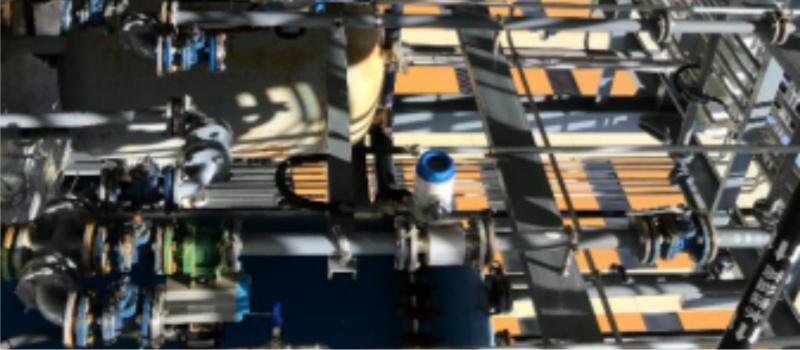
Electromagnetic flowmeter also possesses some comprehensive features that facilitate measurement of dirty and corrosive media:
Low Pressure Loss: Due to the absence of throttling element, there is virtually no additional pressure loss during measurement with electromagnetic flowmeter which can be of great significance for high-viscosity medium or process system with limited conveying capacity.
High Long-Term Stability: Electromagnetic flowmeter has no moving parts, avoiding issues such as mechanical fatigue, wear or seizure. As long as lining and electrode materials are selected properly, its long-term operational stability can be significantly better than mechanical or throttling flowmeters, with greatly reduced maintenance requirements.
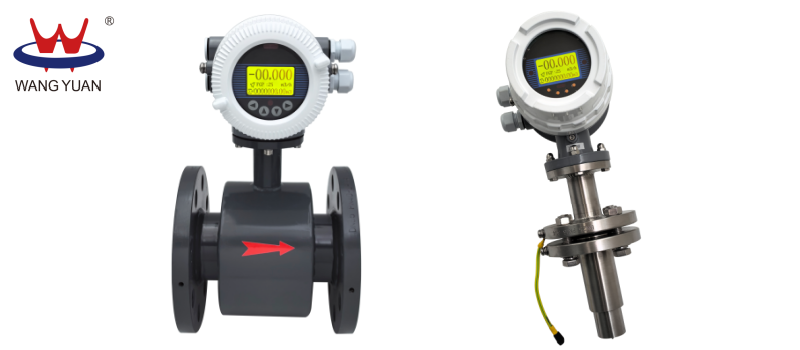
Electromagnetic flowmeter demonstrates unique advantages in measuring dirty/corrosive media.However, the effectiveness of any technical solution is built upon the foundation of applicable conditions. It is particularly important to note that the prerequisite for electromagnetic flowmeter measurement is that the measured medium must possess a certain level of electrical conductivity (typically not less than 5~15 μS/cm). For non-conductive or low-conductivity liquids such as deionized water, hydrocarbon solvents, and oils, the principle is not able to generate an effective induced electromotive force and establish possible measurement. Shanghai Wangyuan is a professional instrument manufacturer with over twenty years of industry experience. If you have any needs or questions regarding flowmeter selection, please feel free to contact us for technical support and solutions.
Post time: Mar-26-2026