
In chemical production, measuring instruments such as pressure transmitters and flowmeters act as the "eyes" that monitor the production schedule, constantly keeping track of key process parameters like pressure, level, temperature and flow. The stability and accuracy of their operation directly affect product quality and production efficiency and safety. Routine maintenance is a critical link in ensuring that instruments function properly. In the chemical industry, however, if certain misconceptions are followed during daily instrument maintenance, even though maintenance work appears to be done, it may fail to effectively prevent failures, or even accelerate instrument damage, thereby increasing hidden production risks and maintenance costs.
Prioritizing repair over prevention
Some personnel tend to wait until instruments fail and cannot work normally before rushing to perform emergency repairs or replacements while neglecting routine preventive maintenance. Like a person who pays no attention to regular health care and only sees a doctor when illness strikes—not only is the treatment more troublesome, but it may also leave after-effects. The same applies to the instruments used in chemical production. Without long-term routine inspection and maintenance, internal components gradually age and wear, surfaces accumulate dust and oil, and problems such as data deviations and sluggish response slowly emerge. By the time a complete breakdown occurs, it may have already affected production schedules or even caused potential safety hazards.
Improvement approach: Establish "prevention-first" maintenance philosophy and make routine maintenance a regular practice. Personnel should periodically inspect the instruments, checking whether the appearance is intact, the display is normal and the connections are loose; promptly clean dust and oil from the instrument surface; and check the integrity of seals. Based on the operating environment and working condition of the instruments, regular cleaning and calibration should be carry out to identify potential problems in advance and keep the instruments in good condition. This helps avoid turning minor issues into major problems and reduces the losses caused by emergency repairs.
Neglecting environmental impact and lacking targeted protection
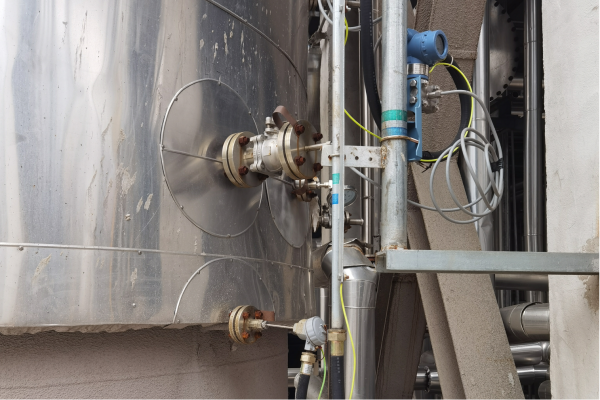
The on-site environment in chemical production is complex where can be high-temperature, high-humidity, contain corrosive gases and dust or experience severe vibration. During maintenance, personnel may overlook the impact of environmental factors on instruments and fail to adopt specific measures addressing requirements such as heat dissipation, moisture protection and corrosion resistance. As a result, instruments operate under harsh conditions for long periods, significantly shortening their service life.
Improvement approach: Adopt targeted protective measures based on the on-site environment. Personnel should assess potential environmental risks according to the installation environment. For example, install cooling devices in high-temperature settings, take moisture-proof measures in high-humidity environments, choose corrosion-resistant material accessories in corrosive environments and regularly check anti-corrosion coatings, and add vibration-damping devices in areas with severe vibration. Regularly check the integrity of protective devices and promptly replace damaged components, enabling instruments to adapt to the on-site environment and maintaining a good service life.
As an indispensable and important part of safety management, performing effective routine maintenance of instruments in the chemical industry not only reduces maintenance costs, but also provides strong assurance for the safe, stable, and efficient operation of chemical production. As an instrument equipment manufacturer and supplier with over 20 years of industry experience, Shanghai Wangyuan is dedicated to providing customers with stable and reliable measuring instrument products as well as professional and timely technical support. If you have any needs or questions regarding instrument applications in the chemical industry, please feel free to contact us.
Post time: May-20-2026