The water and wastewater industries form the backbone of modern public health and environmental stewardship. This sector encompasses the vast infrastructure required to source raw water from rivers, lakes, and aquifers, treat it to potable standards, distribute it to residential and industrial users, and subsequently collect and treat the resulting sewage before returning clean effluent to the environment.
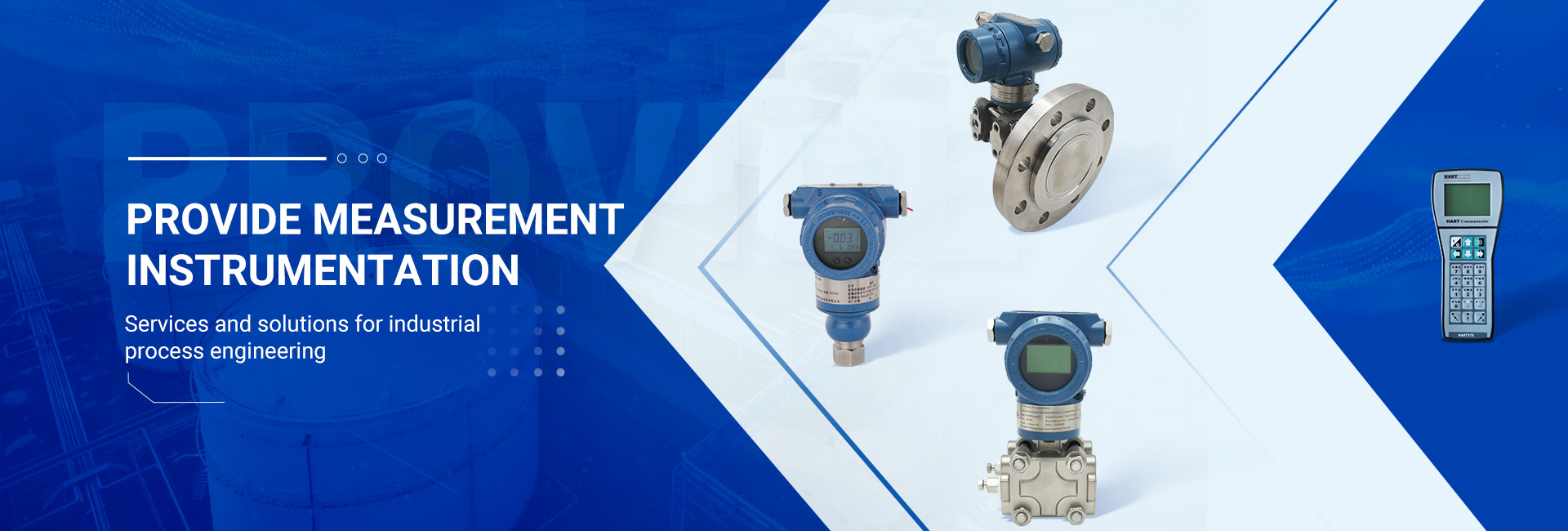
The industry has evolved from a series of passive holding tanks into highly complex, automated process plants. At the heart of this automation lies process instrumentation, comprising sensors, transmitters and control devices located at specific stages in water treatment and distribution systems. These instruments monitor pressure, differential pressure, level, temperature, flow, etc., at the design parameters.
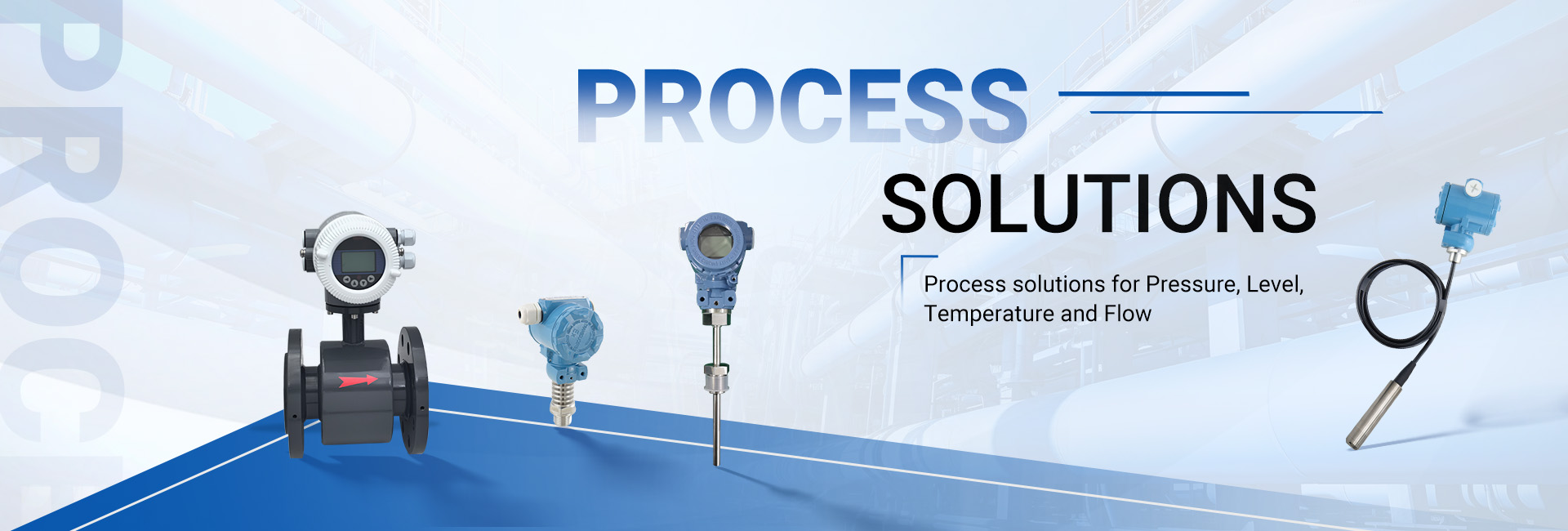
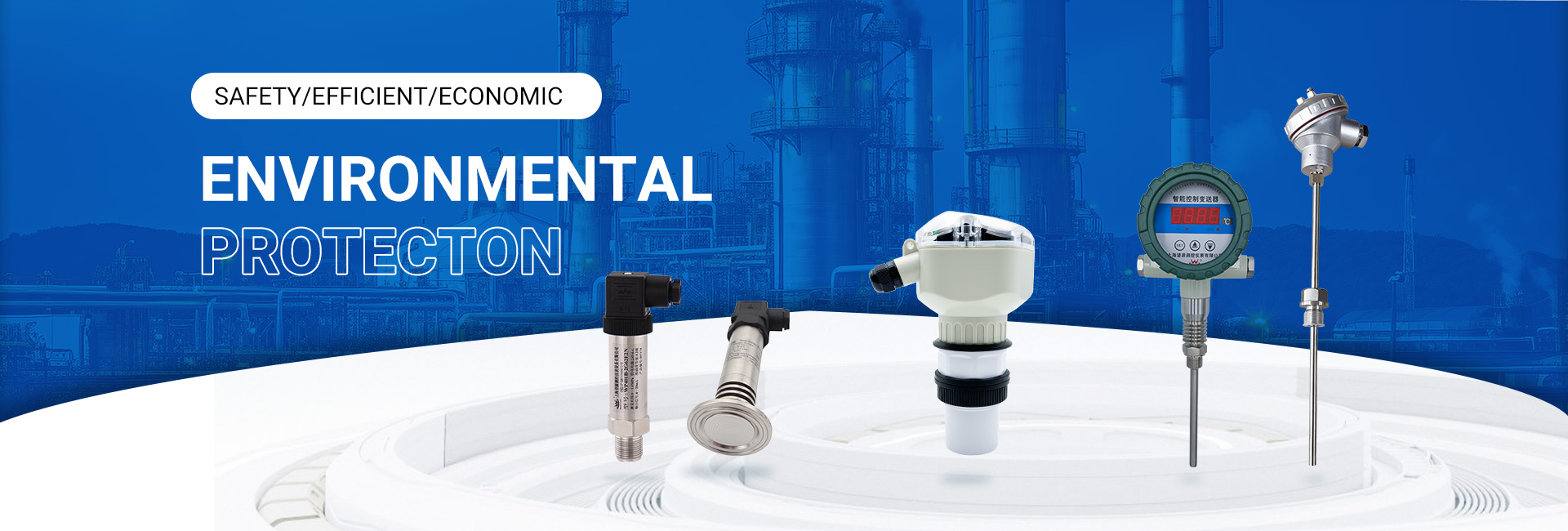
Four types of instruments are commonly deployed in water or wastewater situations. The need for each category will vary based on the variables being measured, the available technologies and the process medium.
Pressure transmitters – Monitor pipeline pressure, pump discharge, filter differential pressure and hydrostatic level.
Level sensors and transmitters – Detect liquid height in tanks, reservoirs, wet wells and clarifiers.
Temperature sensors and transmitters – Track process temperature for biological activity, chemical reaction rates and equipment protection.
Flow meters – Measure liquid movement through pipes and open channels for process control, billing and regulatory reporting.
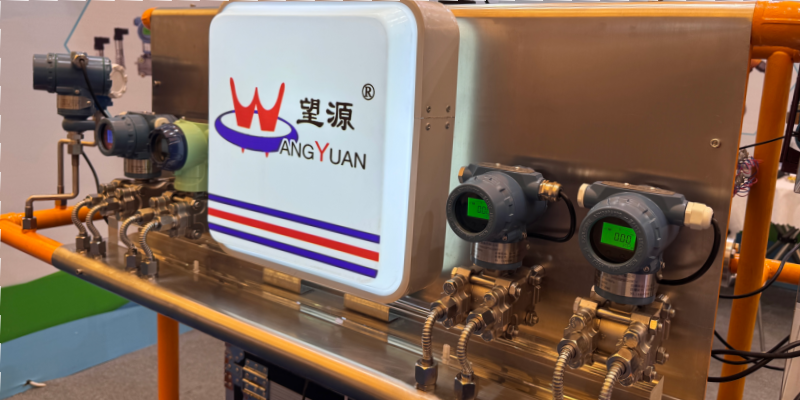
Pressure Transmitters
Pressure measurement is a foundational element in fluid dynamics and process control within both water distribution and wastewater treatment. In the water sector, pressure transmitters are most visibly utilized in distribution networks and pumping stations. By monitoring discharge pressure, operators can ensure that water reaches the highest elevation in a service area without bursting mains. Conversely, suction pressure monitoring prevents pumps from running dry, a condition that causes severe mechanical damage. In reverse osmosis (RO) desalination or advanced water purification, differential pressure transmitters are critical for monitoring the pressure differential across semi-permeable membranes. A drop in differential pressure might indicate a leak or fouling, dictating when a backwash cycle is necessary.
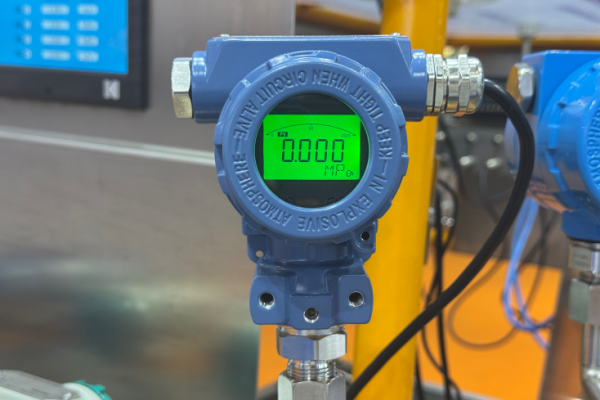
Level Transmitters
Hydrostatic level transmitters measure pressure at the tank bottom to infer liquid height. Submersible pressure transmitters with IP68 ratings drop directly into the liquid, free from vapor space issues. These sensors work well in deep wells, sump pits, and open tanks where other technologies struggle.
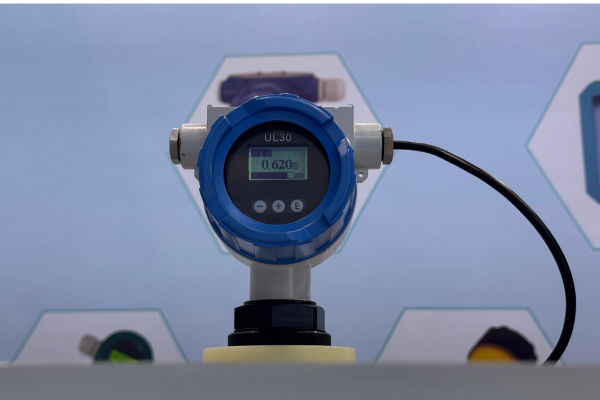
Ultrasonic level sensors use ultrasonic sound waves who emitted and pass through the airspace, in confined spaces, to the surface of the liquid being measured. They are cheap and easy to install, not recommended around water vapour or dust or in places with uneven temperatures.
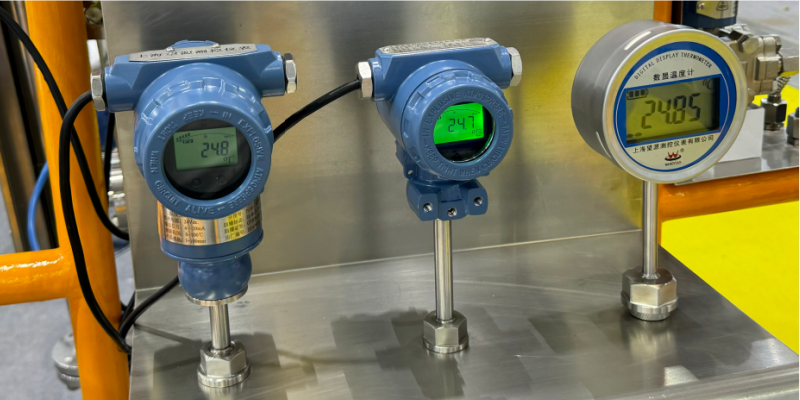
Temperature Transmitters
RTDs and thermocouples are often used for water temperature applications. The choice of RTD or thermocouple sensors is mainly guided by the range and accuracy of measurements required for the specific application. For instance, RTDs have become very popular due to their accuracy in the range of -50°C to +200°C, typically covered in water-based applications. Thermocouples handle higher temperatures in boiler and thermal oxidation applications. Temperature transmitters convert sensor signals to standardized 4-20 mA or digital outputs for integration with plant control systems.
Flowmeters
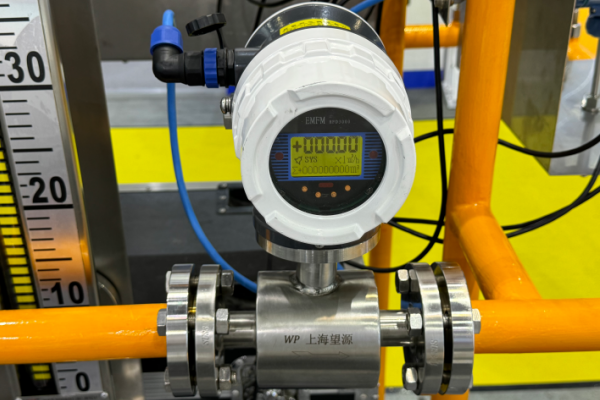
Various methodologies are used in Flow Measurement In Water Applications, depending on the pipe size, the flow rate, the accuracy and of course the pocket depth. Electromagnetic flowmeters are the most common type of flow meter to be used in full-pipe water and wastewater applications. These rely on the voltage which conductive fluid feels in a magnetic field by moving. That is, they have no moving parts, little pressure loss. Electromagnetic meters can be used for raw water, treated water and wastewater with a certain amount of conductance.
As the water sector embraces digital transformation and "smart water" initiatives, the accuracy and reliability of these foundational instruments remain the cornerstone upon which all advanced automation and data analytics are built. As a manufacturer and supplier of instrumentation equipment with over 20 years of industry experience, Shanghai Wangyuan has always been committed to providing customers with highly reliable products and professional, timely technical support. Should you have any needs or questions concerning instrumentation applications in water treatment, please do not hesitate to contact us.
Post time: Oct-12-2026