
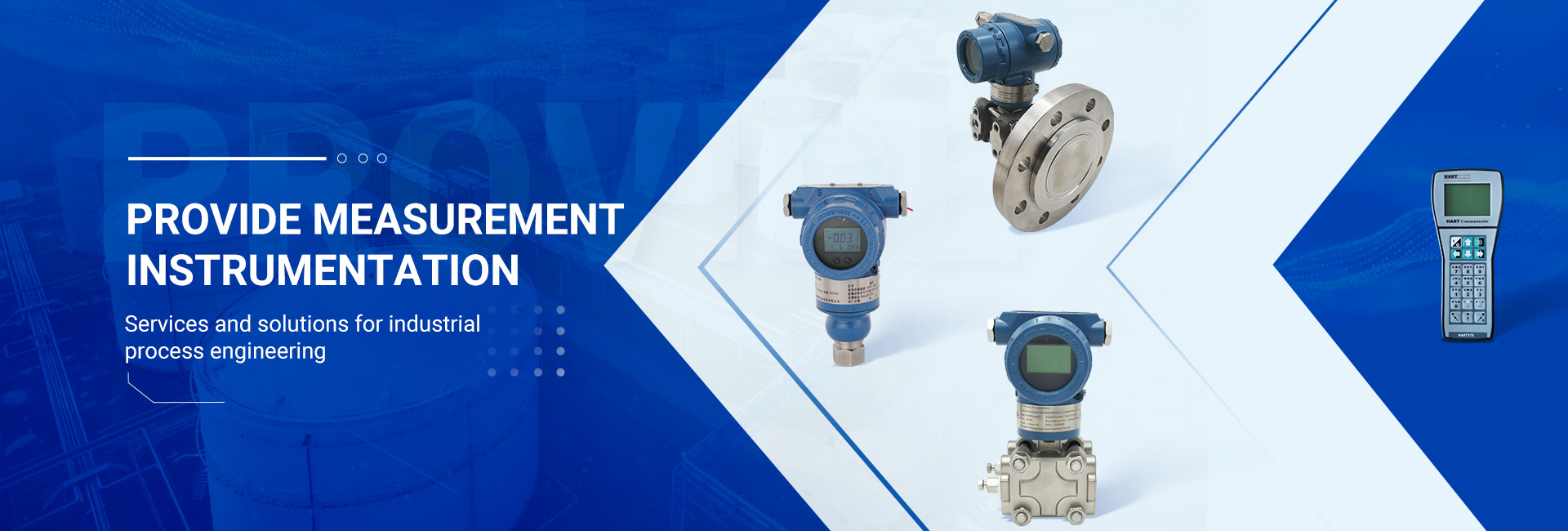
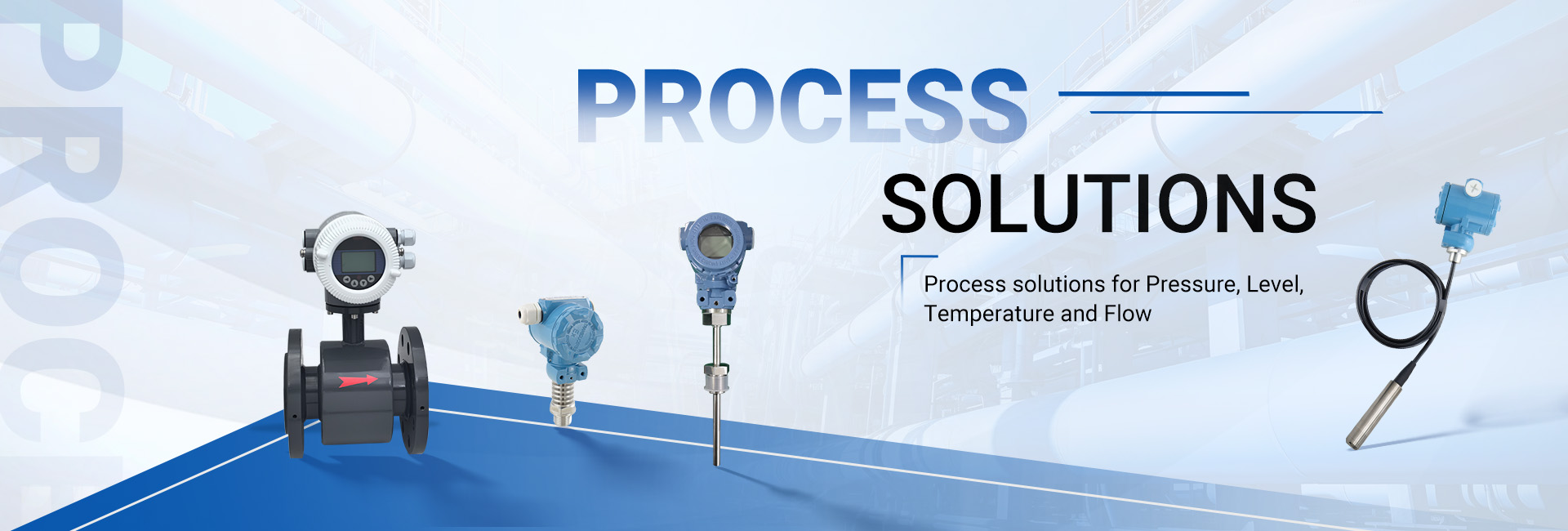
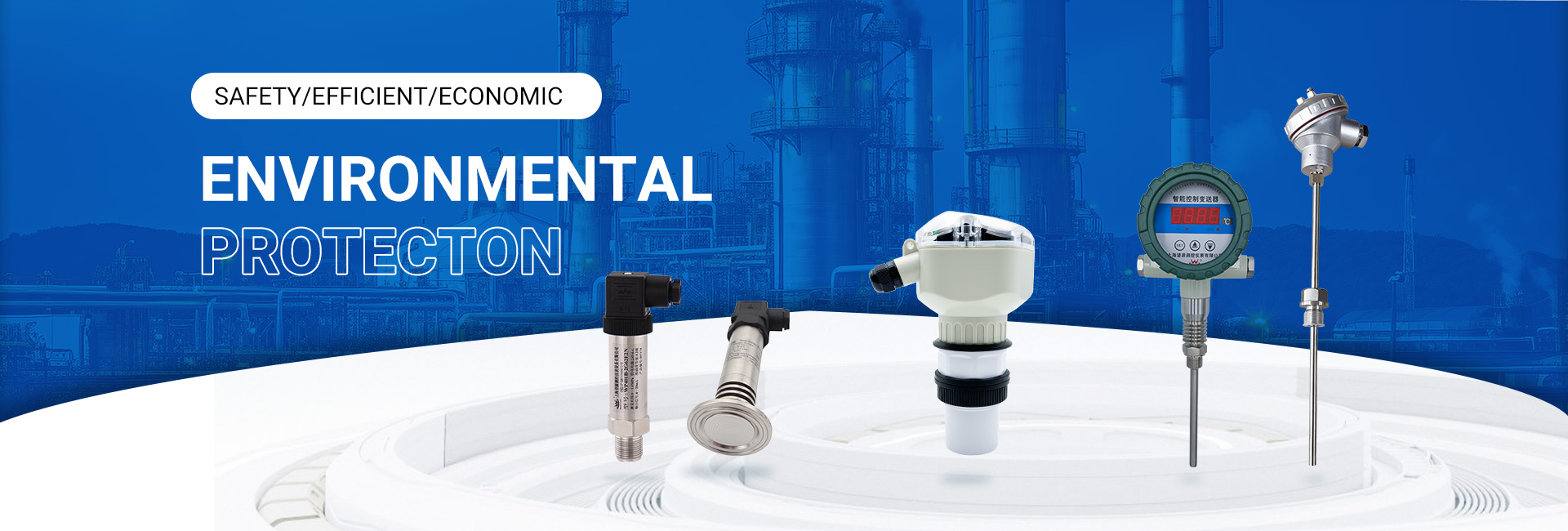
In industries such as petroleum, chemical and energy, instruments are often installed in challenging environments. In hazardous conditions involving flammable and explosive atmospheres, high temperature and pressure, highly toxic or oxygen-rich media, proper installation of instruments is not only crucial for measurement and control accuracy but also directly impacts personnel safety and production stability. In such environments, targeted measures must be adopted.
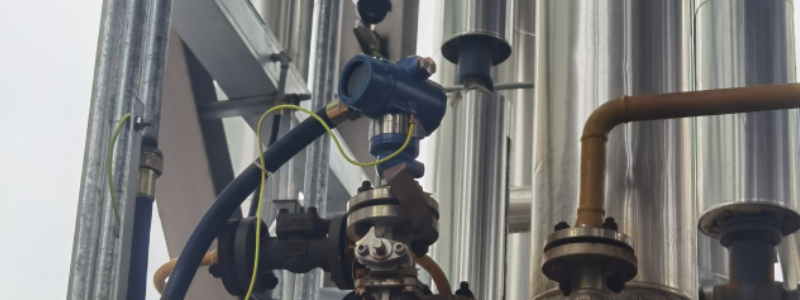
Flammable and Explosive Environments
Wiring Installation: Electrical wiring should be routed away from explosion hazards and areas susceptible to mechanical damage, vibration, corrosion, or heat exposure. The installation approach should be selected based on the density of flammable substances. If the medium density is greater than air, wiring should be installed at higher elevations or buried underground; when overhead installation is necessary, protective slot plate should be used. If the medium density is lower than air, wiring should be installed at lower elevations. All cables shall avoid crossing hazardous areas. If penetration through walls or floors is unavoidable, openings must be sealed tightly with flame-retardant or non-combustible materials.
Equipment Selection: All instruments and electrical equipment must be certified for applicable explosion protection rating and their appearance must be free from external damage and cracks.
Pipeline Parallel Layout: When electrical wiring is installed along process pipe racks, it should be placed on the side with lower hazard potential. If the medium density in the pipeline is greater than air, instrument lines should be installed above the pipe rack; otherwise, they should be installed below.
Wiring and Protection: Field wiring must use explosion-proof distribution boxes and terminal boxes, ensuring secure connections with anti-loosening devices and sealed interfaces. During equipment installation, LOTO procedures must be followed. Flexible conduits and fittings must also be explosion-proof and compatible with the instruments.
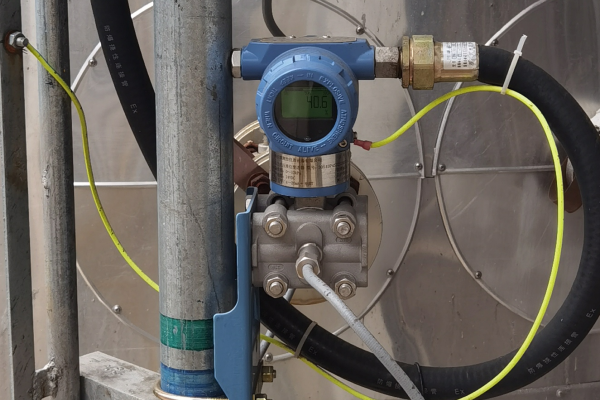
High Temperature and Pressure Medium
Away from Heat Sources: Instruments, pipelines, and cables should be kept as far away as possible from high-temperature equipment and pipelines to minimize temperature effects. If insulation is required for high-temperature pipelines or equipment, the tapping point and root valve should be located outside the insulation layer to avoid direct exposure to heat.
Pipeline Processing: High-pressure pipelines must be formed using cold bending techniques and in a single operation to avoid material fatigue from repeated bending. For pipeline branching, tees made of the same material as the pipeline and certified for compliance must be used to ensure pressure-bearing capacity.
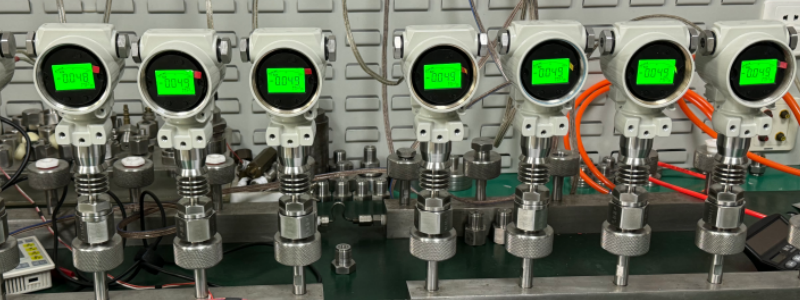
Shanghai Wangyuan is an instrument manufacturer and supplier with over 20 years of experience possessing extensive expertise and field experience in process control solutions for harsh operations. We supply high-performance and reliable instruments suitable for demanding conditions. If you have any requirement or question regarding instrument applications in challenging environments, please feel free to contact us.
Post time: Dec-22-2025